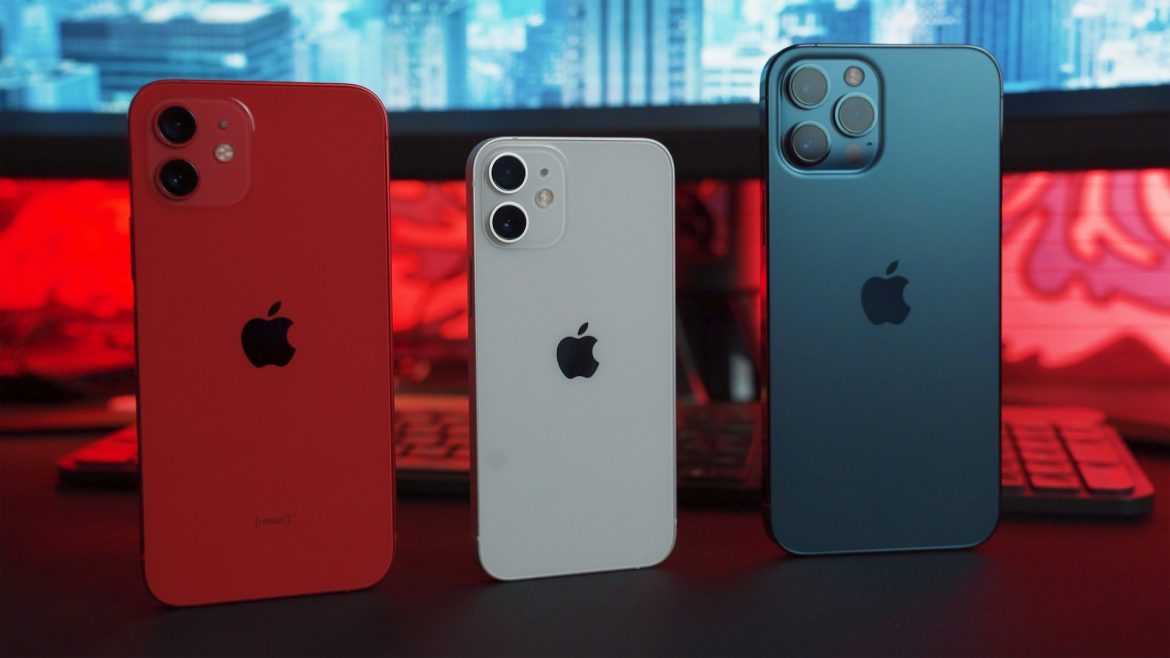
Apple smartphones rarely come cheap. With the 17th generation currently commanding anywhere from 949 to 1,449 euros, upgrading your device is a serious financial commitment. You don’t actually have to empty your wallet to get your hands on a capable phone, though. Taking a look at slightly older or budget-tier models reveals a surprisingly robust market. Right now, you can pick up an iPhone 14 for roughly 550 euros, while the iPhone 15 sits comfortably around 600 euros. Apple recently threw the stripped-down iPhone 16e into the mix for 699 euros, though savvy shoppers can already find deals bringing it closer to that 550-euro mark. Practically speaking, the narrow price gap between the 14 and 15 makes the older model somewhat obsolete. Your real choice for an affordable device boils down to the iPhone 15 and the newly minted 16e.
The Big Screen Dilemma
Before diving into the budget options, it helps to look at the larger devices that paved the way. Just a few years back, anyone wanting a massive display was essentially forced to buy a top-tier Pro Max model. Apple eventually pivoted, reintroducing the Plus model to offer that exact same footprint at a much friendlier price point. Pitting the iPhone 15 Pro Max against the iPhone 15 Plus perfectly illustrates where the cost-cutting compromises happen.
Both of these massive phones pack gorgeous 6.7-inch OLED panels, but that is generally where the display similarities end. The iPhone 15 Pro Max leverages ProMotion technology, allowing the screen to dynamically shift from a battery-saving 1Hz all the way up to a fluid 120Hz. The iPhone 15 Plus is permanently locked at a 60Hz refresh rate. If you spend a lot of time rapidly scrolling through feeds, you will definitely notice a choppier visual experience on the Plus.
Brightness and Benchmarks
That variable refresh rate on the Pro Max also allows for an Always-On display, a feature you simply won’t find on the Plus. When you step outside, both screens are incredibly capable. They peak at a blinding 2,000 nits of outdoor brightness and hit 1,600 nits in peak HDR performance. Laboratory benchmarks confirm this close race, showing both models hovering around 1,090 nits in standard maximum brightness tests with virtually identical, highly accurate color rendering. Indoors, the typical brightness of the Pro Max runs just a bit higher at 1,000 nits compared to the 800 nits on the Plus. The deciding factor here usually comes down to preference. If an Always-On screen and buttery-smooth scrolling are absolute necessities, the Pro Max is the clear winner.
Materials and Connectivity
The physical build tells a slightly different story. Apple ditched stainless steel for a sleek titanium frame on the iPhone 15 Pro Max, leaving the Plus model with the traditional aluminum chassis. The company heavily marketed this change, but the day-to-day reality is much less dramatic. The titanium looks great and feels premium, but the weight reduction isn’t entirely game-changing. Once you slap a protective case on either device, they feel remarkably similar in the hand.
You will find a few functional hardware differences on the perimeter of the device. The Pro Max swaps the iconic mute switch for a customizable Action Button, a perk reserved entirely for the Pro lineup. Furthermore, while both phones adopted USB-C ports to comply with European Union mandates, only the Pro Max supports significantly faster USB 3.0 data transfer speeds. The Plus remains tethered to older USB 2.0 standards.
The Budget Face-Off
Shifting focus back to the smaller, more wallet-friendly side of the lineup, deciding between the standard iPhone 15 and the newer iPhone 16e requires examining your daily habits. Both models feature sharp, vibrant 6.1-inch OLED displays protected by Apple’s Ceramic Shield technology. The iPhone 15 pulls ahead slightly on a sunny day, pushing up to 2,000 nits of brightness compared to the 1,200 nits generated by the 16e. Aesthetically, they are practically twins. Both carry standard IP68 water and dust resistance ratings, though the iPhone 15 is marginally larger and heavier. The 16e manages to use its front panel real estate just a fraction more efficiently.
Performance Under the Hood
Internal hardware is where the gap widens, especially with the recent rollout of iOS 26. The iPhone 15 relies on the older A16 Bionic chip backed by six gigabytes of RAM. The iPhone 16e jumps ahead with the newer A18 processor and eight gigabytes of memory. Both smartphones glide through standard daily tasks effortlessly. Load up a demanding mobile game or a heavily layered app, however, and the 16e noticeably flexes its superior processing power. Opting for the newer silicon also means the 16e is structurally better prepared to handle heavy software updates and advanced features for years down the road.