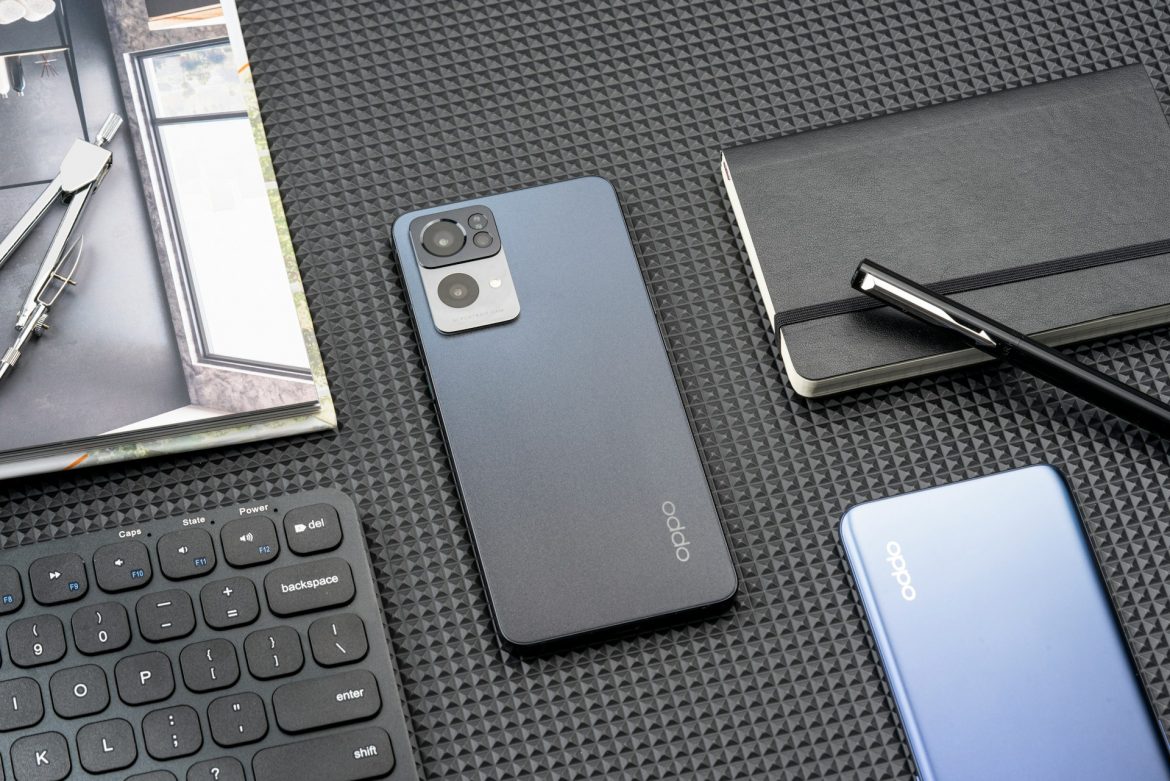
Oppo is officially gearing up for its next major release. The company recently confirmed across its social media channels that the highly anticipated Find X9 Ultra will make its international debut on April 21, 2026. This isn’t just a domestic launch for China, either. The brand is pushing for a broader global release, which will likely include European markets like Germany now that the manufacturer has actively ramped up its operations there.
Next-Generation Powerhouse
Industry rumors are already painting a clear picture of what to expect from the new flagship. Under the hood, the Find X9 Ultra is slated to run on the massive Qualcomm Snapdragon 8 Elite Gen 5 processor. It is also expected to feature a stunning 6.82-inch AMOLED display boasting a buttery smooth 144Hz refresh rate. Powering all of this hardware is a rumored 7,050 mAh battery, an absolute powerhouse by modern standards. The camera array is where things get really interesting. Outfitted with Hasselblad branding, the rear setup reportedly houses at least three lenses. Two of these are expected to be massive 200-megapixel sensors, paired with a specialized 50-megapixel periscope telephoto lens capable of an impressive 10x optical zoom.
A Look Back at Oppo’s Roots
Looking at these cutting-edge specs, it is fascinating to see how much the company’s smartphone lineup has evolved over the past few years. Just think back to late summer 2020 when the brand dropped the Oppo A53. Released on August 25 of that year, the A53 was a completely different beast aimed squarely at the budget-conscious consumer. Housed in a lightweight plastic body available in Fairy White, Electric Black, and Fancy Blue, the phone weighed just 6.56 ounces and measured a fairly slim 8.4 millimeters thick. It featured a physical touch fingerprint scanner on the back, while the layout kept things straightforward by placing the volume controls on the left side and the power button on the right.
Reliable Hardware of the Past
For its time, the A53 offered solid, everyday hardware. It shipped with Android 10 and was powered by an 11-nanometer octa-core Snapdragon 460 processor clocked at 1800 MHz, working alongside an Adreno 610 GPU. Buyers had a few memory configurations to choose from, starting at 4GB of LPDDR4 RAM with either 64GB or 128GB of internal UFS 2.1 storage, all the way up to a 6GB RAM model. It also kept things practical with a microSDXC slot for expanding storage up to 256GB, a classic 3.5mm headphone jack for the built-in FM stereo radio, and a USB-C 2.0 port.
The display was modest but entirely capable. It featured a 6.5-inch IPS LCD screen protected by Corning Gorilla Glass 3. With a resolution of 1600×720 pixels and a 20:9 aspect ratio, it managed a respectable 82.81% screen-to-body ratio. Pushing 480 nits of brightness, the screen even supported a 90Hz refresh rate, which was a nice premium touch for an entry-level device back then.
Everyday Cameras and Connectivity
Unlike the heavily rumored 200-megapixel monsters on the upcoming Find X9 Ultra, the A53 kept its photography setup simple and functional. The rear featured a triple camera array paired with a standard LED flash. Its main shooter was a 13-megapixel lens with an f/2.2 aperture and phase detection autofocus. This was flanked by two basic 2-megapixel sensors with f/2.4 apertures, one dedicated to macro shots and the other for gathering depth information. A 16-megapixel HDR front camera handled selfies, and both front and rear cameras maxed out at 1080p video recording at 30 frames per second, with support for time-lapse capture.
To keep things running, Oppo packed the A53 with a 5,000 mAh battery that supported 18W wired fast charging. Connectivity was pretty standard for the era, encompassing dual Nano-SIM support on 4G LTE and 3G networks, Bluetooth 5.0, and dual-band Wi-Fi with Hotspot capabilities. The phone didn’t skimp on the basics, packing in essential sensors like an accelerometer, ambient light sensor, and proximity sensor. It also featured robust location tracking via GPS, Glonass, Galileo, and BeiDou, while offering noise cancellation through an additional microphone and supporting aptX-HD audio for wireless listening.