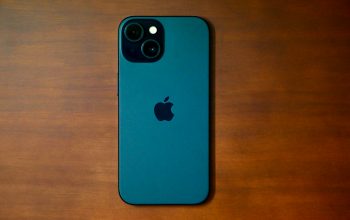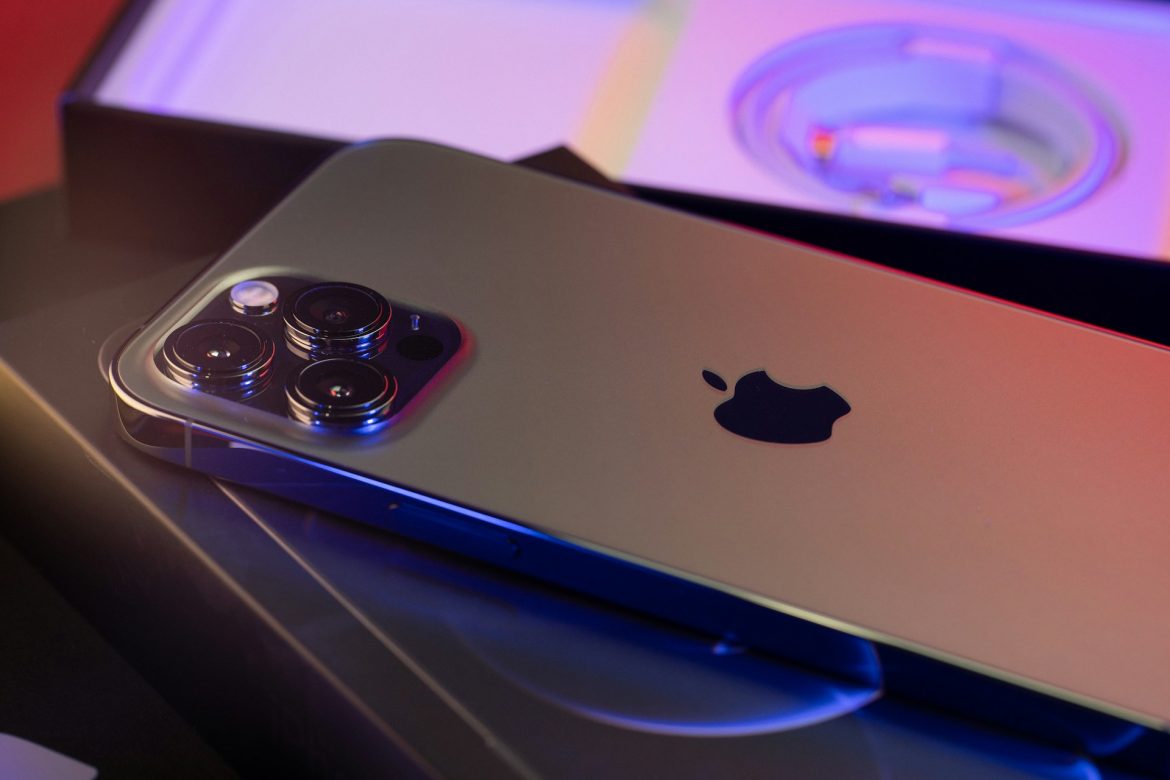
Apple has officially reshaped its approach to entry-level smartphones, marking a distinct shift away from the sporadic release schedule of the iPhone SE. Instead of the anticipated fourth-generation SE, the tech giant introduced the iPhone 16e on February 19, 2025. This rebranding signals a new strategy: a predictable, annual refresh of the budget-friendly “e” series, bringing the lower-cost models more in line with the flagship numbering system.
While the iPhone 16e hit shelves on February 28, 2025, following a subdued launch without a major media event, it set the stage for what appears to be a regular early-year release cycle. This explains why the iPhone 17, 17 Pro, and the new iPhone Air debuted in September 2025 without a budget companion; according to the new roadmap, the iPhone 17e isn’t expected until early 2026.
Under the Hood of the iPhone 16e
Despite being the “budget” option, the iPhone 16e is a significant step up from previous SE models. Apple has finally addressed the storage complaints that plagued earlier iterations, doubling the base capacity to 128 GB. The device is powered by the A18 chipset and backed by 8 GB of RAM, a necessary specification to unlock the full suite of Apple Intelligence features.
Battery life has also seen a massive improvement, with capacity nearly doubling compared to its predecessor. This upgrade allows users to power through a full day without reaching for a charger by mid-afternoon. Visually, the phone mirrors the sleek aesthetic of the iPhone 14 and features a sharper display, making the hardware feel thoroughly modern despite the lower price point.
However, the camera system remains a point of contention. While Apple describes the new setup as more powerful—featuring a 48MP main sensor—mid-range iPhones have historically struggled to compete with flagship photography, and the 16e is no exception. It is a marked improvement over the SE, but it won’t dethrone the Pro models.
Pricing and Carrier Incentives
Inflation and rising component costs have pushed the starting price to $599, a noticeable hike from previous budget models. Apple justifies this with the inclusion of the A18 chip and improved base specs. The pricing tier is straightforward:
-
128 GB: $599
-
256 GB: $699
-
512 GB: $899
To soften the blow of the price increase, major carriers including Verizon, T-Mobile, and AT&T launched aggressive promotional campaigns, ranging from free devices with specific data plans to bill credit bundles. Apple also pushed its own trade-in program, offering credits between $40 and $650 depending on the condition of the traded device.
Strategic Compromises and the Missing Features
To hit that sub-$600 price point while using the A18 silicon, Apple had to cut corners. One of the most glaring omissions was MagSafe charging. Reviews of the iPhone 16e frequently criticized this decision, noting that while the phone supports wireless charging, the lack of magnetic alignment was a disappointment for users invested in the ecosystem.
Furthermore, there is a technical nuance to the processor. The “e” series utilizes what is known as “binned” chips. The A18 found in the iPhone 16e possesses one fewer GPU core than the version found in the standard iPhone 16. This cost-saving measure allows Apple to utilize chips that didn’t quite meet the yield standards for flagship devices but are still perfectly functional for a mid-range phone.
Looking Ahead: The iPhone 17e Rumors
With the iPhone 16e establishing the baseline, attention has already turned to its successor. Reports from The Information and Bloomberg suggest that Apple plans to address several of the 16e’s shortcomings with the upcoming iPhone 17e, slated for early 2026.
The most significant expected upgrade is the return of MagSafe, with rumors pointing to support for up to 25-watt charging speeds. Additionally, the device is expected to adopt the Dynamic Island, finally retiring the notch design from the budget lineup.
Internally, the 17e will likely follow the precedent set by the 16e. It is expected to run on a binned version of the A19 chip—the same silicon powering the main iPhone 17 lineup—but likely with a reduced GPU core count. Connectivity is also set for an upgrade; while the 16e debuted Apple’s proprietary C1 modem, the 17e is rumored to utilize either the same modem or the updated C1X, which promises double the speed and 30 percent better energy efficiency.